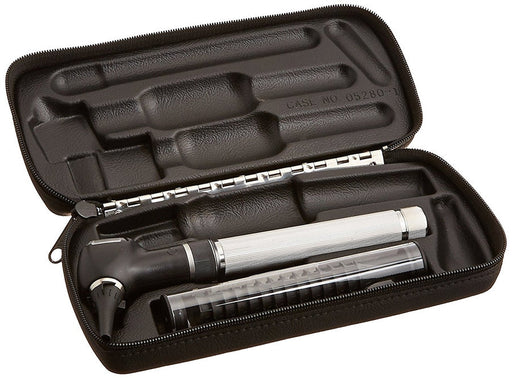
Pneumatic Otoscopes
Pneumatic otoscopes provide advanced features which help determine the mobility of the tympanic membrane in the ear in response to the pressure changes. They are specifically used for the diagnosis of otitis media and other conditions affecting the ears.
About Pneumatic Otoscopes
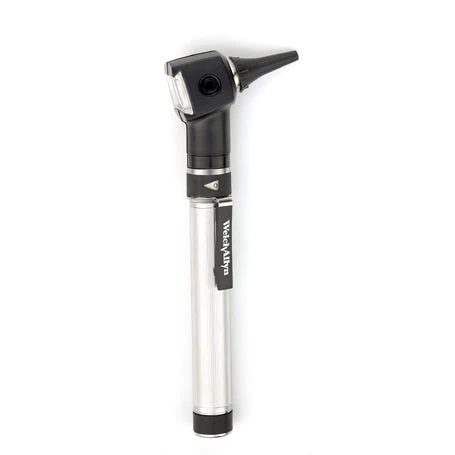
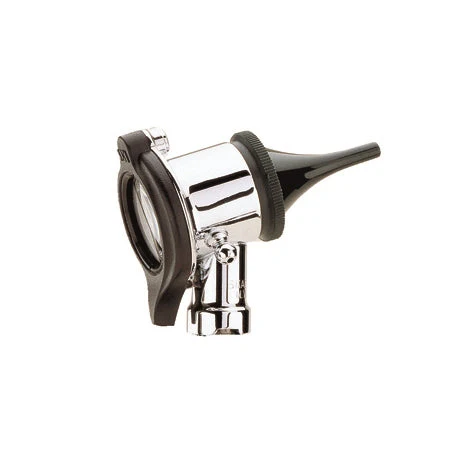
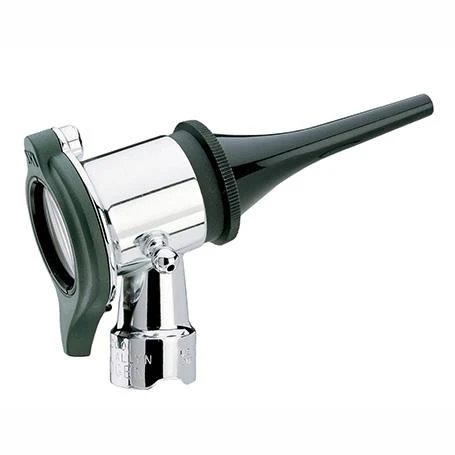
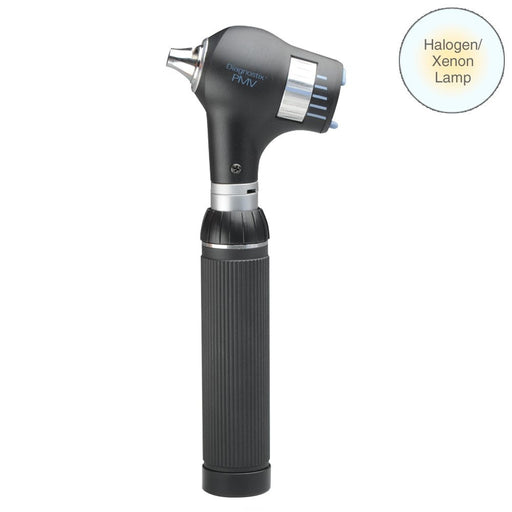
A pneumatic otoscope is an advanced medical device commonly used in the diagnosis of ear infections including otitis media. A pneumatic otoscope has a pneumatic head, with an enclosed light source, a lens, and a nipple for the attachment of the rubber bulb.
Pneumatic otoscopes are essential devices for ENT physicians who have to perform a pneumatic otoscopy to determine the mobility of the patient's tympanic membrane in response to the changes in pressure.
In normal cases, the tympanic membrane tends to move when it is subjected to a change in pressure. This mobility is attributed to movement of fluid in the middle ear. Assessment of these movements can help diagnose conditions affecting the middle ear or the tympanic members including otitis media and perforation of the tympanic membrane. It can also help in the diagnosis of tympanosclerosis.
How does a Pneumatic Otoscope work?
Pneumatic otoscopy helps with systematic inspection of the auditory canal and tympanic membrane using an otoscope. Pneumatic otoscopy offers a dynamic assessment of the movements of the tympanic membrane, and hence, is a useful tool for evaluating diseases affecting the middle ear cleft.
Ear examinations performed using a pneumatic otoscope can also indicate the presence of effusion in the middle ear, even when the appearance of the tympanic membrane does not suggest any pathology affecting it.
A history of the Pneumatic Otoscope
The discovery of a pneumatic otoscope can be attributed to the supplementary invention of the pneumatic ear speculum made by German scientist E. Siegle in 1864. This device permitted inspection of the tympanic membrane and also helped clinicians examine the compliance and response of the tympanic membrane to variations in pressure in the auditory canal.
Key features of Pneumatic Otoscopes
Some key features of pneumatic otoscopes include:
Halogen lamp that provides light output for obtaining the true color of the tissue
Fiber-optic illumination that produces cool light
Rotating lens with ultra-seal feature that can enable easy pneumatic otoscopy
Consistent and long-lasting illumination
Different types of Pneumatic Otoscopes
There are a range of pneumatic otoscopes available on the market today. They can be categorized based on the differences in the technology they support and the types and sizes of the specula.
Based on the types of the ear speculum, pneumatic otoscopes can be categorized as reusable ear specula or single-use ear specula. Some pneumatic otoscopes have a reusable specula with a soft tip that is specifically contoured to ensure a pneumatic seal.